Category Archives: Diablo 4

Mmoexp Diablo 4: Season of Witchcraft – Oaths and Debts Quest Walkthrough

The Season of Witchcraft in Diablo 4 introduces exciting new mechanics and systems to explore, such as Witchcrafting tools, an updated Tree of Whispers, and the Headhunt activity. As a returning player or someone new to these features, you might find the introduction a bit tricky. But don’t worry – the Oaths and Debts questline will guide you through the new additions to the game.

Here’s a complete walkthrough of how to start and complete the Oaths and Debts quest.

How to Start Oaths and Debts

The Oaths and Debts quest becomes available after completing the main Diablo 4 campaign. Once you’ve finished the campaign:

Travel to Gea Kul in Kehjistan and speak to Gelena to begin the quest.

The questline will require you to engage with the Season of Witchcraft mechanics, including the Whisper system and Headhunt patrol zones.

To access the full questline, you need to gain reputation through the Grim Favors system and increase your seasonal vendor reputation at the Tree of Whispers in Hawezar. Check your reputation progress at the Tree of Whispers by interacting with the nearby billboard. To unlock the full questline, you’ll need to reach Rank 9 Coven’s Favor.

Oaths and Debts Quest Walkthrough

Once you reach Gea Kul, follow these steps to continue the quest:

Speak to Gelena – She’s looking for a head from the Tree of Whispers and believes it’s located in the city. She’ll direct you to the northwest corner of town near the docks, where you’ll find a potential hideout.

Explore the Infected House – Inside, you’ll encounter a horde of undead monsters and a massive cyst. All monsters in the area are shielded, making them harder to kill than usual. Defeat the horde, and then take on the boss that emerges from the cyst.

Visit the Tree of Whispers – After completing the task, Gelena will lead you to the Tree of Whispers in Hawezar, where you’ll meet the Coven, the seasonal vendor. The Tree of Whispers has been upgraded with new Witchcrafting altars and a reputation board that tracks your seasonal progress.

Interact with Witchcrafting Altars – These altars are part of the new borrowed power mechanic introduced in the season. You’ll use them to gain powers related to Witchcraft. You can learn more about these powers in our Witchcraft powers guide.

How Headhunts Work

To progress the questline and increase your reputation with the Coven, you’ll need to complete Headhunts and Whisper bounties. Headhunts are a new world event mechanic, similar to Helltide, but with some key differences:

Headhunt Zones: Every hour, two zones on the map will be infested with Headrotten, the seasonal faction. These areas offer high enemy density and act as a great place to farm XP and Grim Favors.

Grim Favors: These are the primary resources required to progress the seasonal questline. You’ll need ten Grim Favors to claim your reward, which includes progress toward unlocking new quests and powers.

Headhunts are particularly useful for gathering Grim Favors, especially since their enemy density and rewards are on par with Helltide or endgame content.

Clear the Silent Roothold

Once you’ve earned enough Grim Favors and interacted with the Tree of Whispers, Gelena will ask you to clear out a dungeon in the Fractured Peaks to continue the quest.

Head to the Silent Roothold in Gale Valley.

Dungeon Mechanics: The Silent Roothold is a Nightmare Dungeon with roguelike modifiers. Before each room, you’ll have to select two rituals that will affect the difficulty and rewards of that room. These rituals are color-coded, with yellow and orange modifiers being more dangerous but providing stronger benefits.

Destroy Exposed Roots: Your main goal is to destroy the exposed roots that spawn throughout the dungeon. While five roots will spawn by default, this number can vary depending on your chosen rituals.

Boss Fight: At the end of the dungeon, you’ll face off against a seasonal boss. These bosses have a variety of AoE attacks and deal high damage, so be prepared. After defeating the boss, speak to Ouna and return to the Tree of Whispers.

Continuing the Questline

The questline will progress as you continue earning Grim Favors and Coven reputation. Complete more Headhunts and Whisper bounties to unlock further quests.

Don’t forget to claim your rewards from the Coven reputation board, as these will offer valuable upgrades to help you as you level up through the season.

Summary

In Season of Witchcraft, Oaths and Debts is your introduction to the revamped Tree of Whispers, Headhunts, and Witchcrafting tools. After completing the campaign, speak to Gelena in Gea Kul, complete tasks to gain Grim Favors, and clear Silent Roothold in Gale Valley. Continue progressing by completing seasonal activities to unlock new rewards and powers.

If you’re seeking a boost in gold and items, platform MMOexp can help you safely purchase Diablo 4 gold and Diablo 4 items if you’re looking for a shortcut.

Diablo 4: Sister Octavia Quests Walkthrough

Diablo 4, the latest installment in Blizzard’s legendary Diablo series, has captivated fans with its dark fantasy world, brutal combat, and expansive lore. With an immersive world filled with quests, characters, and challenges, Diablo 4 offers players an abundance of content. Among the many NPCs you will encounter throughout your journey, Sister Octavia stands out as a key figure tied to some of the most impactful quests in the game.

Sister Octavia’s quests are integral to the unfolding story of Diablo 4 and provide both lore-rich narratives and valuable rewards. In this article, we’ll delve into the steps of the Sister Octavia quests, how to approach them, and what rewards to expect along the way.

Who is Sister Octavia?

Sister Octavia is a member of the Sisterhood of the Sightless Eye, an order within Diablo 4’s world that is steeped in both mystery and devotion. The Sisterhood is known for their connection to the divine, and Sister Octavia is one of the key figures in these religious and spiritual quests. Her role often involves guiding players through the exploration of the deeper mysteries surrounding the Eternal Conflict and the ancient powers within Sanctuary.

As you progress through the game, you’ll encounter Sister Octavia in several key locations. Her quests often focus on themes of sacrifice, salvation, and divine intervention. However, they also reveal dark secrets and connections to the demonic forces at work in the world of Sanctuary.

Overview of Sister Octavia’s Quests

Sister Octavia’s quests primarily deal with uncovering hidden truths, recovering lost artifacts, and assisting her in various tasks related to her order’s mission. The quests often feature a mixture of combat, puzzle-solving, and exploration.

Sister Octavia’s quests are spread across several acts in Diablo 4 Gold and can be broken down into a few major questlines, including the following:

The Sacred Relic

The Fallen Sister

Shadows of the Past

The Blessing of Light

A Sister’s Hope

Each of these quests will require you to venture deep into the dark corners of the world of Sanctuary, facing dangerous enemies, solving cryptic puzzles, and learning more about the history of the Sisterhood and their connection to the forces of good and evil.

1. The Sacred Relic

Quest Type: Exploration and Combat

Objective: Recover the Lost Relic of the Sisterhood

The first quest given by Sister Octavia,”The Sacred Relic,” is one of the introductory quests that introduces players to the core aspects of her involvement in the storyline. Sister Octavia requests your aid in recovering a sacred relic that was stolen from the Sisterhood’s hidden sanctuary. This relic is essential for maintaining the Sisterhood’s connection to the divine power they serve.

Steps:

Travel to the Sacred Grove: The relic was stolen by a group of corrupted cultists, and you must track them down. The Sacred Grove, a forested area filled with demonic corruption, is the first place you will need to visit.

Defeat the Cultists: As you navigate through the Sacred Grove, you will encounter a series of cultist enemies and demonic creatures. These enemies are heavily fortified and will require strong combat skills to defeat.

Find the Relic’s Location: Once you’ve dealt with the cultists, you will need to locate the hidden temple where the relic is being kept. This is often marked by a cryptic symbol or landmark on your map.

Retrieve the Relic: In the heart of the temple, you will face a mini-boss or an elite enemy guarding the relic. Defeat this boss and claim the relic for Sister Octavia.

Reward: Once you return the relic, Sister Octavia will reward you with valuable crafting materials, gold, and an increase in your reputation with the Sisterhood. Additionally, you may unlock a new set of divine buffs that can be used during battles.

2. The Fallen Sister

Quest Type: Lore and Exploration

Objective: Investigate the disappearance of a fellow Sister

In”The Fallen Sister,” Sister Octavia reveals a tragic tale about one of her fellow Sisters who has gone missing under mysterious circumstances. The Sister was investigating a series of dark rituals and had been in pursuit of a powerful artifact that could potentially shift the balance of power in the war between Heaven and Hell.

Steps:

Speak with Sister Octavia: She will provide you with the last known location of the fallen Sister and any clues that might help you uncover her fate.

Explore the Lost Temple: Travel to an ancient temple, deep within a cursed region of Sanctuary, where the missing Sister was last seen. Here, you will uncover notes, journals, and signs of dark rituals being performed.

Confront the Fallen Sister’s Corrupted Form: In the depths of the temple, you’ll discover the fallen Sister has been corrupted by demonic influence and is now a powerful enemy. This will be a tough battle, but defeating her will reveal important story lore about the Sisterhood’s ongoing struggles against demonic forces.

Return to Sister Octavia: After confronting the fallen Sister, return to Sister Octavia and inform her of the tragic outcome. You will gain valuable insight into the ongoing struggle between the divine and demonic forces.

Reward: Sister Octavia will grant you increased reputation with her order, as well as an exclusive item that improves your resistance to corruption-based effects.

3. Shadows of the Past

Quest Type: Puzzle and Combat

Objective: Uncover the secrets of the Sisterhood’s founding

“Shadows of the Past” takes players on an investigative journey to uncover the origins of the Sisterhood of the Sightless Eye. Sister Octavia believes that understanding the past will help her and the Sisterhood prepare for the coming darkness.

Steps:

Investigate the Ruins: Travel to an ancient site known as the Temple of the Forgotten. Here, you will need to solve a series of intricate puzzles that revolve around the history of the Sisterhood.

Defeat the Echoes of the Past: As you explore the ruins, you will encounter”Echoes” – spectral manifestations of past Sisterhood members who were involved in dark rituals. These enemies must be defeated to continue your investigation.

Uncover the Hidden Chamber: After solving puzzles and defeating the Echoes, you will unlock a hidden chamber that contains the true history of the Sisterhood and their original mission. This will be critical in understanding how their role fits into the larger narrative of Diablo 4.

Return the Knowledge to Sister Octavia: Bring your newfound knowledge back to Sister Octavia, who will reveal more about the potential threats facing the Sisterhood.

Reward: You will receive lore items that unlock additional story content and gain experience points, as well as potentially new passive abilities tied to your character’s lore.

4. The Blessing of Light

Quest Type: Ritual and Combat

Objective: Assist Sister Octavia in a divine ritual

“The Blessing of Light” involves aiding Sister Octavia as she attempts to perform a divine ritual to cleanse an area tainted by demonic forces. This quest requires you to gather several rare ingredients scattered throughout Sanctuary to help complete the ritual.

Steps:

Collect Sacred Ingredients: Sister Octavia will provide a list of ingredients needed for the ritual, such as blessed herbs, purified water, and holy crystals. These items can be found by defeating specific enemies or exploring certain areas.

Defend the Ritual Site: Once you’ve gathered all the ingredients, travel to the ritual site, where you’ll need to protect Sister Octavia as she begins the cleansing process. During this time, waves of demonic enemies will attempt to disrupt the ritual.

Assist in Completing the Ritual: After defending the site, help Sister Octavia complete the ritual by offering your own powers in the form of a sacrificial act, whether it be your life force or a portion of your own soul.

Reward: As a result of the successful ritual, you’ll gain the Blessing of Light buff, which increases your damage resistance and heals you during combat. You will also earn a new unique item that increases your ability to cleanse corruption and cheap Diablo 4 Items.

5. A Sister’s Hope

Quest Type: Final Challenge and Reflection

Objective: Help Sister Octavia prepare for a final battle

In”A Sister’s Hope,” Sister Octavia asks for your help in preparing for the final confrontation against a powerful demonic entity threatening the Sisterhood. This quest is a culmination of the previous storylines and challenges.

Steps:

Help Build Defenses: Work with Sister Octavia to build defenses and recruit allies for the final battle. This includes gathering resources, forging alliances, and scouting enemy movements.

Defeat the Demonic General: The final challenge involves facing off against a powerful demonic general. This boss fight will require strategy, quick thinking, and the full use of your skills and items.

Return to Sister Octavia for Final Words: After the battle, return to Sister Octavia and reflect on the events. You will receive her final blessings, and she will grant you her personal seal, symbolizing your bond and shared victories.

Reward: The completion of this quest will give you one of the most powerful rewards in the game: the Sister’s Seal, which greatly enhances your combat abilities and grants passive buffs when fighting demonic enemies.

Conclusion

Sister Octavia’s quests in Diablo 4 provide an enriching narrative experience that ties deeply into the lore of the game. From uncovering hidden relics to confronting fallen Sisters and battling demonic generals, these quests allow players to immerse themselves in the dark and twisted world of Sanctuary. Along the way, you will gain valuable rewards, unlock new lore, and grow stronger in your fight against the forces of Hell.

The journey with Sister Octavia is not just one of combat, but also of reflection and sacrifice, making her questline one of the most compelling in Diablo 4. Whether you’re a seasoned player or a newcomer, her missions offer a rich blend of story, exploration, and challenging gameplay that is sure to captivate any Diablo fan.

Diablo 4: How to Track Your Quests

In Diablo 4, your journey through the hellish landscapes of Sanctuary will be filled with numerous quests, challenges, and objectives that span across various regions and dungeons. To navigate the game effectively, it’s essential to know how to track your quests efficiently. Quest tracking allows you to keep an eye on objectives, ensuring that you’re always aware of what to do next. Whether you’re following the main story or diving into side quests and world events, understanding how to manage and track your quests is crucial to your progress.

This guide will explore how to track quests in Diablo 4, offering tips on utilizing the game’s questing system, organizing your tasks, and optimizing your gameplay experience.

The Importance of Quest Tracking in Diablo 4

Quest tracking in Diablo 4 is not just about knowing what to do next; it’s also about enhancing your overall experience by keeping your objectives organized and accessible. In a game as expansive and complex as Diablo 4, players can easily get lost in the vast open world or overwhelmed by the multitude of quests available. Quest tracking helps you:

Stay on Task: By tracking your quests, you can avoid wandering aimlessly or forgetting important objectives. It’s a great way to stay focused and ensure you’re making progress in the game.

Keep Track of Multiple Objectives: Diablo 4 features a range of quests, including main story quests, side quests, and events. Tracking helps you juggle multiple tasks without getting overwhelmed.

Optimize Rewards: By knowing where to go and what to do, you can maximize your rewards, including experience points, Diablo 4 Gold, and gear, while progressing through different stages of the game.

Understanding the quest tracking system in Diablo 4 is vital for streamlining your progression and making the most of your adventure.

Quest Types in Diablo 4

Before we dive into how to track your quests, let’s take a moment to understand the different types of quests you’ll encounter in Diablo 4. The game has a variety of quest categories, each serving different purposes and offering distinct rewards:

Main Story Quests: These are the primary quests that drive the narrative forward. Completing these quests will advance you through the main storyline, revealing new regions and unlocking critical plot elements.

Side Quests: These optional quests provide extra content and often reward you with additional experience points, gold, and loot. Side quests can be found in various locations across the map and can be pursued at your own pace.

World Events: These are dynamic, time-limited quests that occur randomly in the open world. They involve large-scale events like defending a village or slaying a powerful boss. Participating in world events rewards you with unique loot and experience points.

Dungeon and Stronghold Quests: These quests are tied to specific dungeons or strongholds, often involving difficult boss fights or complex objectives. Completing them can yield significant rewards.

Helltide Events: As one of the challenging and high-risk events in Diablo 4, Helltide events will periodically sweep across Sanctuary, offering high-reward challenges. Tracking these events is essential for taking full advantage of the loot.

Seasonal Quests: Diablo 4 includes seasonal content with special quests that change over time. These quests are often tied to new content and provide exclusive rewards.

How to Track Your Quests in Diablo 4

Tracking quests in Diablo 4 is straightforward and can be managed through the in-game interface. There are several ways to track and organize your quests, each with its unique features.

1. Quest Log Interface

The Quest Log is your primary tool for tracking quests in Diablo 4. Here’s how to access and utilize it:

Opening the Quest Log: To view your active quests, press the designated button to open the Quest Log. This is typically accessible through the game’s main menu or via a quick shortcut on your keyboard/controller. You’ll be presented with a list of all available quests, categorized by type (Main Story, Side Quests, World Events, etc.).

Quest Categories: The Quest Log is divided into different sections to help you manage your objectives. The main categories include:

Main Quests: These are the central story missions that guide your progression through the game.

Side Quests: Optional quests that offer extra challenges and rewards.

World Events: Quests tied to dynamic events happening across Sanctuary.

Dungeons and Strongholds: Specific objectives related to dungeon runs and stronghold objectives.

Seasonal Quests: Time-limited quests tied to ongoing seasons.

Tracking Quests: Once you’ve opened the Quest Log, you can select the quest you want to track by clicking on it. The selected quest will be highlighted, and its objectives will be displayed on the map and in the in-game HUD.

Quest Progression: Each tracked quest will show you detailed information about the current objective and how close you are to completing it. The progress bar helps you visualize how much is left to do, while the quest description gives you guidance on where to go and what to do next.

2. The World Map and Quest Markers

Once you’ve selected a quest to track, it will appear on your world map as a quest marker. This is one of the most useful ways to track your quests in Diablo 4, as it visually guides you to your next objective.

Quest Markers on the Map: The world map will display icons corresponding to your active quests. For example, a red exclamation mark might indicate a main story quest, while a blue star might represent a side quest. World events will have their unique markers as well.

Fast Travel: Once you’ve tracked a quest, the game will also display fast travel points nearby. This makes traveling to distant locations much quicker, ensuring that you can efficiently follow your quests without unnecessary backtracking.

Dynamic Updates: As you progress through a quest, the quest markers will update accordingly. For example, if you’re in the middle of a dungeon or event, the marker might change to indicate the next step of your journey, or a completion icon might appear once you’ve fulfilled the objectives.

3. In-Game HUD (Heads-Up Display)

The HUD is another critical tool for tracking quests. While exploring the world of Sanctuary, the HUD will display important quest information directly on your screen, allowing you to easily track objectives without having to open the Quest Log or World Map constantly.

Objective Tracker: On the left side of your screen, you’ll find an objective tracker that lists the current active quests. Each objective will have a brief description and a progress bar, helping you stay updated on what you need to do next.

Visual Indicators: In addition to the objective tracker, visual indicators such as arrows or glowing paths will guide you to your quest objectives. These indicators are especially useful when navigating complex areas, dungeons, or large towns.

Quest Status: As you complete portions of a quest, the quest status on the HUD will update, giving you immediate feedback on your progress.

4. Quest Journals and Special Tasks

Beyond the standard quests, Diablo 4 includes special tasks such as collecting items, defeating elite bosses, or completing challenging world events. These tasks are often listed in a separate section of the Quest Log, and you can track them in the same way as the main and side quests.

Special Tasks: These quests can be marked with specific icons on your world map or within the HUD. Pay attention to the descriptions in the Quest Log to track your progress on these tasks effectively.

Objectives within Dungeons: When entering a dungeon or stronghold, the game may automatically track certain objectives related to that area, such as defeating a boss or clearing a specific number of enemies. You’ll see these objectives appear in your HUD while inside the dungeon, and quest markers will direct you to the correct locations.

Tips for Efficient Quest Tracking in Diablo 4

Here are a few tips to make tracking your quests more efficient and enjoyable in Diablo 4:

Focus on One Quest at a Time: Although you can track multiple quests at once, it’s often best to focus on one main quest at a time to avoid confusion. This allows you to progress through the story smoothly without distraction.

Use Fast Travel: If you’re tracking a quest that’s far away, use the fast travel system to quickly reach your destination. This saves you time and allows you to focus on completing the objective.

Stay Organized: Use the Quest Log to filter and sort quests based on type. Keeping your quests organized helps you manage your objectives and reduces the risk of forgetting important tasks.

Participate in World Events: Don’t ignore world events—these are time-limited quests that offer high rewards and unique loot. Keep an eye on the world map for active world events and try to participate whenever possible.

Complete Side Quests for Valuable Rewards: Side quests may not be mandatory, but they often provide valuable rewards like experience, cheap D4 materials, and additional lore. Tracking and completing these quests will enhance your gameplay experience.

Conclusion

Quest tracking in Diablo 4 is an essential tool for navigating the game’s complex world and ensuring you’re making steady progress. By understanding how to use the Quest Log, map markers, HUD, and other tracking features, you can stay organized and focused on completing your objectives. Whether you’re advancing through the main story, participating in world events, or exploring side quests, efficient quest tracking will make your journey through Sanctuary smoother and more rewarding. With these tools at your disposal, you’ll be ready to tackle whatever challenges Diablo 4 throws your way.

Diablo 4: Endgame & Pit Push Builds Tier List (Season 7)

Diablo 4 has become one of the most popular action role-playing games since its release, largely due to its challenging combat system, deep lore, and diverse character builds. As the game continues to evolve with each season, including Season 7, players are introduced to new mechanics, events, and endgame content. One of the most exciting aspects of Diablo 4 is the endgame experience, which offers players a variety of ways to continue progressing their characters after completing the main campaign.

Among the core endgame activities in Diablo 4 are Pit Pushes and Endgame Builds, both of which allow players to test the limits of their character’s power while tackling increasingly difficult challenges. Whether you’re focusing on Pit Pushes, World Bosses, Nightmare Dungeons, or other forms of endgame progression, the success of these activities depends largely on your character’s build.

In this article, we will break down the best endgame builds for Season 7 of Diablo 4, focusing specifically on Pit Push Builds—those designed to efficiently clear the Pit and scale with the ever-increasing difficulty of the endgame content. We’ll also present a Tier List of these builds, helping players choose the best options for maximizing their performance in the endgame.

Understanding Pit Push Builds and Endgame Mechanics

Before we dive into the Tier List, it’s important to understand what exactly Pit Pushes are in Diablo 4. Pit Pushes refer to activities in the Pit, a high-level area designed for testing endgame power. The Pit grows progressively more difficult, and as players challenge its monsters, they can acquire the best loot in the game, including rare crafting Diablo 4 materials, powerful gear, and, of course, Legendary and Unique items.

The Pit Push essentially represents the most difficult content you can face as a player in Diablo 4, requiring you to have perfected your build to the highest degree. The difficulty increases with each new floor, with players having to optimize their builds to tackle monsters with higher resistances, damage output, and special abilities.

With that in mind, let’s explore some of the best builds for tackling the Pit Push and endgame content in Diablo 4: Season 7. These builds are specifically designed to be powerful, sustainable, and capable of scaling through the toughest challenges the Pit has to offer.

Diablo 4: Endgame & Pit Push Builds Tier List (Season 7)

S-Tier Builds: The Best of the Best

These builds dominate in terms of versatility, survivability, and damage output. If you want to be an unstoppable force in the Pit and endgame content, these builds are your top choices.

1. Sorcerer: Fire/Lightning Hybrid Build

The Sorcerer class in Diablo 4 is known for its explosive damage potential. With a hybrid Fire/Lightning build, Sorcerers can deal with crowds of enemies while also maintaining high single-target damage, making them ideal for clearing Pit Push levels.

Key Strengths: This hybrid build combines the devastating area damage of Fire spells with the burst potential of Lightning spells, allowing for high burst and consistent damage over time.

Core Skills: “Meteor,” “Chain Lightning,” and “Flame Shield” are essential, enabling Sorcerers to deal massive damage while controlling enemies and maintaining their own safety with powerful defensive cooldowns.

Survivability: The Fire and Lightning elements also provide enough crowd control and mobility to navigate tough encounters in the Pit. The addition of shields and debuffs (such as “Critical Hit Chance Buffs”) provides defensive layers that are invaluable.

Why It’s S-Tier: This build offers an incredible balance between offense and defense, allowing for fast clearing speed, high DPS, and survivability.

2. Barbarian: Whirlwind Build (Speed Demon)

Barbarians excel at close combat, and the Whirlwind Build focuses on speed and overwhelming power. Using the Whirlwind skill, Barbarians can quickly clear large packs of enemies, especially in high-density areas like the Pit.

Key Strengths: Whirlwind Barbarians offer unmatched mobility and AoE (Area of Effect) damage, enabling them to effortlessly tear through large groups of enemies in no time.

Core Skills: “Whirlwind,” “Battle Cry,” and “Leap” are the bread and butter of this build, giving Barbarians high uptime on spinning damage, as well as tools to close gaps between enemies quickly.

Survivability: With high health regeneration and natural tankiness, Barbarians in this build thrive in tough situations. “Wrath of the Berserker” and other defensive passives further improve their endurance.

Why It’s S-Tier: This build is highly favored for its clear speed, versatility, and ability to sustain in tough endgame content. It can easily handle Pit Push levels, where fast clears are essential.

A-Tier Builds: Strong and Reliable

These builds are still incredibly powerful but may not have the same overall versatility or sustained damage output as S-tier builds. They excel in different aspects of gameplay, making them great options for players who prefer specific playstyles.

1. Necromancer: Bone Spear Build

Necromancers are infamous for their ability to summon legions of minions and deal heavy damage through spells. The Bone Spear Build is optimized for high burst damage, offering great synergy with Diablo 4’s endgame scaling mechanics.

Key Strengths: Bone Spear offers high single-target damage while allowing Necromancers to utilize crowd control with curses and other bone-related abilities.

Core Skills: “Bone Spear,” “Corpse Explosion,” and “Blood Surge” are vital for maximizing damage output. These skills not only deal significant damage but can also control the battlefield with stunning effects.

Survivability: Necromancers in this build can have an army of minions to tank damage, plus they can use “Bone Armor” for additional protection. Their ability to heal using Corpse skills also boosts sustainability.

Why It’s A-Tier: While not as mobile as some of the other builds, the Bone Spear Necromancer excels in sustained boss fights and can easily tear through waves of enemies in the Pit.

2. Rogue: Poison Trap Build

The Rogue class offers incredible versatility, and the Poison Trap Build is a fantastic option for players who enjoy a blend of damage over time and crowd control. Traps allow the Rogue to set up devastating zones of poison damage, making it easier to clear enemies at a distance.

Key Strengths: Traps offer a powerful combination of poison damage, crowd control, and mobility. With multiple traps in play, Rogues can control large packs of enemies, while using poison to slowly wear them down.

Core Skills: “Poison Trap,” “Shadow Step,” and “Dash” are key to this build. The traps offer steady damage over time, while the Rogue’s mobility ensures that they are never pinned down.

Survivability: Rogues can dodge attacks effectively with their high mobility, and Poison Traps allow them to deal with enemies from a distance, limiting the amount of direct danger they face.

Why It’s A-Tier: Poison Trap Rogues are effective for crowd control and sustain, making them an excellent choice for solo and group endgame content.

B-Tier Builds: Solid but Situational

These builds are still viable in most endgame content but may require a bit more fine-tuning or aren’t as effective in high-end Pit Push scenarios as the higher-tier builds. They tend to shine in specific types of encounters but may lack versatility in others.

1. Druid: Earth & Storm Hybrid Build

The Druid is a highly adaptable class that can either serve as a summoner or a shapeshifter. The Earth & Storm Hybrid Build brings the best of both worlds, utilizing earth-based spells for damage and storm abilities for AoE.

Key Strengths: This build offers a combination of defensive skills and powerful elemental spells, allowing for both high damage and crowd control.

Core Skills: “Earthquake,” “Storm Strike,” and “Feral Rage” provide a balanced mix of damage, mobility, and control over enemies.

Survivability: While the build is great at dealing with crowds, Druids generally have lower mobility than some other classes, making them less ideal for fast Pit pushes.

Why It’s B-Tier: This build is effective in certain scenarios but lacks the raw speed or flexibility needed for consistently high-tier Pit pushes.

2. Wizard: Arcane Orb Build

The Arcane Orb Build for the Wizard class focuses on high burst damage, using arcane power to devastate enemies in large bursts. While it offers massive single-target damage, it may lack sustained AoE damage when compared to other builds.

Key Strengths: High burst potential makes this build an excellent choice for challenging endgame bosses and tackling tough fights.

Core Skills: “Arcane Orb,” “Teleport,” and “Energy Shield” make this build effective for dealing burst damage while maintaining mobility and survivability.

Survivability: The Wizard has a wide range of defensive spells, but its squishiness requires careful management of positioning and cooldowns.

Why It’s B-Tier: While powerful in single-target damage, the Arcane Orb build can struggle with large groups of enemies in Pit Pushes.

Conclusion

When it comes to cheap Diablo 4 Items, including the Pit Push challenges, the builds that perform best are those that combine strong damage, mobility, survivability, and versatility. The S-tier builds, including the Fire/Lightning Sorcerer and Whirlwind Barbarian, are the go-to choices for players looking for speed and power, while A-tier and B-tier builds still offer excellent performance but may require more careful planning or aren’t as well-suited for high-end Pit pushes.

Ultimately, the best build for you will depend on your personal playstyle, preferred character class, and the type of content you wish to tackle in Diablo 4’s endgame. With the right build and a bit of strategy, you’ll be able to conquer the Pit and all the challenges Season 7 throws your way.

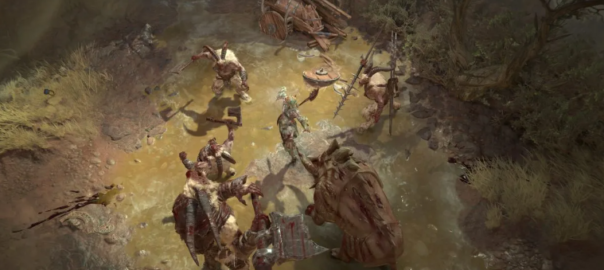
Unlock Treasure Bags and More in Diablo 4 Season 5 with Extra Shrines

Diablo 4 continues to captivate players with its dark, immersive world and fast-paced gameplay, and Season 5 introduces exciting new features to keep fans hooked. One of the most notable additions this season is the “Extra Shrine” modifier in Nightmare dungeons. This change brings not only greater challenges but also more rewarding gameplay, especially through the addition of treasure bags, which players are eager to collect.Get fully prepared to enter the world of Diablo IV and get your Diablo 4 gold now!

Shrines and Their Role in Diablo 4

Shrines in Diablo 4 are special structures scattered throughout the game world, providing players with temporary buffs that enhance combat and exploration. Season 5 spices things up with the introduction of the “Extra Shrine” modifier, particularly in Nightmare dungeons. This modifier boosts the number of Greedy Shrines, a special type of shrine that offers even greater rewards, making them highly sought-after for players aiming to optimize their runs.

Greedy Shrines are especially valuable due to their ability to drop treasure bags. These bags contain rare items, crafting materials, and other valuable resources, transforming your dungeon-crawling adventures into loot-filled expeditions. This new dynamic encourages players to explore every corner of Nightmare dungeons, as each encounter with a Greedy Shrine has the potential to yield something extraordinary.

Nightmare Dungeons: A High-Stakes Challenge

Nightmare dungeons are designed for seasoned players looking for a tougher challenge than standard dungeons. These dungeons demand strategic thinking, careful preparation, and finely tuned character builds. The addition of the “Extra Shrine” modifier amplifies this experience, as more shrines appear throughout the dungeon, offering useful buffs and valuable loot.

When a player enters a Nightmare dungeon with the “Extra Shrine” modifier, they stand a better chance of finding Greedy Shrines. These shrines not only provide beneficial buffs but also reward players with treasure bags filled with coveted loot. This mechanic adds an additional layer of strategy: should you prioritize seeking out shrines to gain buffs or focus on battling the dangerous enemies that populate the dungeon?

The Appeal of Treasure Bags

Treasure bags are one of the main attractions in Season 5’s dungeons. Each treasure bag contains a mix of rewards, such as powerful weapons, armor, and crafting materials, all essential for upgrading gear. These upgrades help players take on the increasingly difficult enemies in Nightmare dungeons.

In addition to standard loot, treasure bags often hold rare and unique items that can significantly alter a player’s build. This adds an element of excitement and anticipation to every dungeon run, as players hope to uncover game-changing items within these treasure bags. The thrill of discovering rare loot provides strong motivation to explore every inch of these dungeons.

Strategies to Maximize the Extra Shrine Modifier

To make the most of the Extra Shrine modifier in Nightmare dungeons, players can employ several strategies:

Balanced Team Composition: Nightmare dungeons are designed to be difficult, so bringing a well-rounded team is crucial. A combination of damage dealers, tanks, and support characters ensures the team can handle both enemies and make the most of shrine buffs.

Thorough Exploration: Rushing through dungeons can cause you to miss valuable shrines. With the Extra Shrine modifier in play, take the time to fully explore each area to maximize the number of treasure bags and buffs you can collect.

Prioritize Buffs: Greedy Shrines offer both buffs and treasure bags. Prioritizing these shrines when found can give your team a significant boost, helping you clear tougher enemies more efficiently.

Build Adaptation: Tailor your character’s build to complement the buffs received from shrines. For example, if a shrine provides a damage boost, focus on maximizing your offensive abilities to make the most of the temporary power-up.

Diablo 4 Season 5 brings an exciting new dynamic to Nightmare dungeons with the “Extra Shrine” modifier, which increases the presence of Greedy Shrines and provides more opportunities to collect treasure bags. Your adventure awaits you – fuel it with buy Diablo 4 Items from the MMOExp Store!This addition encourages players to dive deeper into the game’s strategic elements while enjoying the thrill of discovering powerful loot. By adopting effective strategies and working as a team, players can turn each dungeon run into a rewarding adventure. Get ready to dive back into the world of Diablo 4 and take on the challenges that await!