Category Archives: Path of Exile 2

Path of Exile 2: How to Get the Thief’s Torment Unique Ring

In Path of Exile 2, finding the right Unique items can significantly impact your build’s efficiency, survivability, and overall power. One such item, Thief’s Torment, is a Unique Emerald Ring with a peculiar limitation—it prevents the use of a second ring. However, for mana-hungry builds, this ring can be a game-changer. If you rely on Area-of-Effect (AoE) attacks and frequently struggle with mana sustain, Thief’s Torment essentially ensures you’ll never run into resource issues again.

In this guide, we’ll explore how to obtain Thief’s Torment, break down its unique affixes, and discuss its best use cases. Along the way, we’ll also touch on POE 2 Currency and how it plays a role in acquiring and trading this ring efficiently.

Thiefs Torment Unique Affixes and Effects

As an Emerald Ring, Thief’s Torment comes with an Accuracy Rating bonus as its implicit stat. However, it’s the explicit modifiers that truly make this ring stand out:

    (30-40)% Increased Rarity of Items Found

    +(10-15)% to All Elemental Resistances

    Gain 25 Life per Enemy Hit with Attacks

    Gain 15 Mana per Enemy Hit with Attacks

    50% Reduced Duration of Curses on You

    Can’t Use Other Rings

At first glance, losing access to a second ring slot may seem like a heavy drawback. However, Thief’s Torment compensates by being highly stat-efficient, providing a combination of life and mana sustain, increased rarity of item drops, and extra resistances.

Since this limitation only applies to your current loadout slot, one strategic approach is to keep Thief’s Torment in a secondary swap slot. This allows you to equip it in situations where mana sustain is crucial—such as fighting bosses or clearing large AoE-heavy areas—without fully committing to it as your primary ring choice.

Best Use Cases for Thiefs Torment

While Thief’s Torment isn’t a build-defining Unique, it is incredibly valuable for certain mana-intensive builds. Here are some ideal scenarios where this ring shines:

1. Attack-Based AoE Spammers

If your build relies on rapid, repeated hits—such as Lightning Strike, Tornado Shot, or Kinetic Blast—then Thief’s Torment can help sustain both life and mana effortlessly. Every enemy hit restores resources, allowing for a nearly infinite sustain loop in densely packed areas.

2. Curse-Heavy Environments

The 50% reduced Curse Duration makes this ring especially useful in areas where Hexproof enemies or curse-heavy bosses pose a threat. Reducing the duration of debuffs like Temporal Chains or Elemental Weakness can significantly improve survivability.

3. Item Rarity and Magic Find Builds

Since Thief’s Torment boosts Item Rarity (IIR) by 30-40%, it is an excellent option for Magic Find (MF) setups. While it lacks Increased Item Quantity (IIQ), combining it with other MF gear can maximize the value of your loot drops.

How to Obtain Thiefs Torment in Path of Exile 2

There are multiple ways to acquire Thief’s Torment, but some methods are more efficient than others. Here’s a breakdown of the most effective approaches:

1. Random Monster Drops

Like many other Unique items in Path of Exile 2, Thief’s Torment can drop from any enemy. However, your odds of finding it increase with:

    Higher-Level Maps (T16 and Beyond)

    Increased Item Quantity (IIQ) Gear

    Increased Item Rarity (IIR) Gear

2. Chancing an Emerald Ring

A more targeted method is to use an Orb of Chance on a white-rarity Emerald Ring. This process, commonly known as “chancing,” offers a 0.625% chance to upgrade the base item into Thief’s Torment. Statistically, you would need to use approximately 160 Orbs of Chance to obtain one.

3. Trade and POE 2 Currency Considerations

For many players, trading is the most efficient way to acquire Thief’s Torment rather than relying on RNG-based drops or chancing. The value of this ring fluctuates, but in Path of Exile 2, its price is often measured in POE 2 Currency, specifically:

    Divine Orbs – Used for high-value trades

    Exalted Orbs – Often another trade currency

    Chaos Orbs – Commonly used for mid-tier purchases

While Thief’s Torment isn’t one of the most expensive Uniques, its value can range from a few Chaos Orbs to multiple Divines, depending on its availability and demand in a given league. Players who specialize in currency farming may find it easier to purchase the ring directly rather than farming or chancing for it.

Is Thiefs Torment Worth Farming

For players looking to maximize their POE 2 Currency, farming Thief’s Torment may not always be the best choice. While it is a useful Unique, it is not a highly sought-after endgame item. However, if you can acquire it early in a league, it may still be worth selling while demand is high.

Alternative Farming Methods

If your goal is to farm currency efficiently, consider:

    Running High-Tier Maps with IIR/IIQ

    Target-Farming League Mechanics (Breach, Delirium, etc.)

    Flipping Currency via Smart Trading

By focusing on more lucrative strategies, you can generate enough POE 2 Currency to buy Thief’s Torment and other Uniques with ease.

Final Thoughts

Thief’s Torment is a situational but highly useful Unique ring in Path of Exile 2, particularly for mana-hungry attack builds and Magic Find setups. While its limitation of preventing a second ring slot might deter some players, its life and mana sustain capabilities make it an attractive choice for specific playstyles.

Whether you choose to farm it, chance it, or buy it with POE 2 Currency, understanding its strengths and best use cases can help you maximize your character’s potential. If you’re focused on efficient currency farming, you may find it more beneficial to generate wealth through mapping and trading rather than actively grinding for this ring.

Either way, Thief’s Torment remains a solid pick for those looking to enhance their survivability, sustain, and loot-finding potential in the ever-evolving world of Path of Exile 2.

Path of Exile 2: The Lost Lute Quest Guide

Path of Exile 2, the highly anticipated sequel to the beloved action-RPG Path of Exile, continues to deliver immersive storytelling, deep mechanics, and challenging gameplay. In addition to the core campaign and endgame content, PoE 2 introduces a series of new quests that expand the lore of Wraeclast and challenge players to delve deeper into the game world. One of the more intriguing and hidden quests is The Lost Lute, which is bound to captivate players looking for adventure and valuable rewards.

In this guide, we will walk you through the details of The Lost Lute quest, from how to begin it, what objectives you’ll need to complete, and tips on how to tackle the challenges it presents. Whether you’re a newcomer or a seasoned veteran, this guide will provide all the information you need to complete the quest and reap the rewards in Poe 2 trade.

Overview of The Lost Lute Quest

In Path of Exile 2, quests play a significant role in both advancing the storyline and offering valuable rewards. The Lost Lute is one of the many side quests you can encounter during your travels, but its storyline is especially tied to the world’s lore and the mysterious artifacts that litter the land of Wraeclast. This quest tasks players with tracking down a long-lost lute, an ancient and magical instrument of great significance. It also leads to discovering hidden story elements and unearths a piece of the rich tapestry of the world.

This quest is often considered a hidden gem in the game, as it ties into the game’s more intricate world-building elements, such as long-forgotten treasures, music, and arcane knowledge. Not only will you experience a deep narrative, but you will also face combat challenges, puzzles, and exploration.

How to Start The Lost Lute Quest

Before diving into the objectives of The Lost Lute, you first need to know how to begin the quest. Unlike the main storyline quests, side quests like The Lost Lute aren’t automatically presented to you. Instead, you must meet specific conditions or interact with NPCs (non-playable characters) who provide the necessary clues.

Step 1: Locate the NPC Who Starts the Quest

The Lost Lute quest is started by speaking to a specific NPC, often one who can be found in the hub areas of the game or within a hidden location unlocked after reaching a certain part of the main campaign. The NPC in question is usually a character with a significant backstory who may share hints about the lute’s importance and why it is lost.

You may encounter this NPC during your travels through Act 2 or Act 3, as these acts often serve as pivotal points for unlocking many side quests.

Important NPCs: The NPC who provides this quest will likely be tied to Wraeclast’s rich history and lore, such as a historian, a collector of rare artifacts, or a scholar with knowledge of old legends. The exact NPC may vary, but make sure to speak with anyone who may seem involved in the arcane or historical elements of the world.

Quest Start Location: Check towns and settlements where NPCs give side tasks. Some NPCs may only be accessible after completing specific parts of the main story.

Once you interact with the NPC, you will receive the Lost Lute quest and be given the first clue to begin your search.

Quest Objectives: Finding the Lost Lute

After accepting the quest, you will receive a series of objectives that guide you toward recovering the lute. These objectives are spread across several areas, and the quest may involve multiple steps, including:

Objective 1: Investigate the Ruins of an Ancient Temple

The first step of the Lost Lute quest is to explore ancient ruins where the lute may have once been hidden. These ruins are often located in forgotten corners of the game world, usually somewhere you wouldn’t stumble upon unless you were actively looking for them. The ruins may appear in Act 2 or Act 3, although the exact location can vary based on your progress in the game.

The Temple Ruins: The Ancient Temple or ruins are where you need to head first. Inside, you’ll find clues about the lute’s disappearance. The area is dangerous, filled with undead enemies, arcane traps, and other environmental hazards. You’ll need to clear these threats before you can fully investigate the temple.

Puzzle Elements: The ruins may contain puzzles or obstacles that need to be solved to access the area where the lute is kept. Expect to use your wits as well as combat skills to navigate this portion of the quest.

Objective 2: Defeat the Guardians of the Lost Lute

Upon entering the temple or dungeon, you will likely encounter guardians who are protecting the secrets of the lost lute. These enemies are often connected to the story behind the lute and may include powerful bosses or elite mobs with unique abilities.

Boss Fight: The guardians may include a mini-boss or boss fight, requiring you to use specific strategies or mechanics to defeat them. These bosses are often a blend of summoned undead, elemental forces, or cursed protectors bound to the lute’s defense.

Loot and Progression: Once the guardians are defeated, you will likely find a key item or artifact—possibly the lute itself or a piece of it—that will lead you closer to unlocking its full power or story significance.

Objective 3: Solve the Mystery of the Lute’s Magic

In many cases, the lute isn’t just a physical object. It is often a magical artifact tied to specific events in Wraeclast’s history. As you progress in the quest, you’ll learn more about its origins and its connection to ancient civilizations.

Lore and Story: To solve the mystery, you may need to gather ancient texts, scrolls, or notes from other parts of the world. These items can provide additional insight into the role of the lute in past events. You may also be required to speak to NPCs who have knowledge of ancient artifacts and music, which could unlock more details on its use.

Unlocking Powers: The lute may have the ability to channel magic, summon forces, or heal wounds—abilities that will likely be relevant in later portions of the quest. Understanding these powers will play a role in recovering the lute’s full potential.

Tips for Completing The Lost Lute Quest

The Lost Lute quest is not particularly straightforward, and completing it successfully will require both combat skills and problem-solving abilities. Here are a few tips to help you make your way through this quest:

1. Preparation for Combat

Since you’ll encounter tough bosses and elite mobs in the temple ruins, it’s important to ensure your character is ready for the challenge. Before heading into the quest:

Upgrade Gear: Make sure your gear is up to date. Equip armor and weapons that will provide the necessary resistances and damage to take down the enemies.

Buffs and Potions: Stock up on healing potions, mana flasks, and buffs that will help you stay alive during tough battles. Consider using defensive auras and damage-boosting gems to optimize your character’s performance.

2. Solve the Puzzle Sections Carefully

The quest will include puzzle-solving elements, particularly when navigating the ruins or unlocking hidden areas. Take your time and pay attention to the environment for clues. Some puzzles may require a specific sequence of actions, such as activating certain switches or aligning objects in a particular way.

Look for Clues: Keep an eye out for inscriptions, symbols, or patterns that may help you solve puzzles. These clues are often hidden in plain sight but are essential for progressing through the quest.

3. Managing the Endgame

Once you’ve recovered the lute and completed the quest’s primary objectives, there may be a final challenge or boss awaiting you. This could involve defeating an ancient foe or unlocking the full power of the lute.

Be Ready for a Final Test: As with many quests in Path of Exile 2, the final phase will likely involve an intense battle or multistage encounter. Be prepared to use your skills and knowledge of the game mechanics to defeat this final obstacle.

4. Pay Attention to the Story and Lore

Path of Exile 2 is known for its rich lore and storytelling, and The Lost Lute quest is no exception. Pay attention to the dialogue, texts, and environmental storytelling elements as they provide insight into the significance of the lute and its connection to the world’s history.

Unlocking Hidden Lore: Some of the most interesting storylines in Path of Exile are tied to hidden quests and artifacts. Completing the Lost Lute quest may unlock new story elements that can help you understand Wraeclast better.

Conclusion

The Lost Lute quest in cheap POE 2 Currency is an exciting and immersive journey that combines exploration, puzzle-solving, combat, and lore discovery. By following the steps outlined in this guide, you’ll be well-equipped to track down the lost artifact, defeat powerful guardians, and uncover the secrets surrounding this ancient and magical instrument.

Whether you’re a new player diving into the depths of PoE 2 or a seasoned veteran looking for additional content, this quest offers a rewarding challenge and a deeper connection to the world of Wraeclast. Remember to prepare for combat, solve the puzzles carefully, and enjoy the journey as you uncover one of the game’s most intriguing mysteries. Happy hunting, Exile!

Path of Exile 2: Where is Una’s Lute?

Path of Exile 2 is set to expand the rich lore and gameplay mechanics of its predecessor, inviting players into a deeper experience filled with quests, challenges, and rewards. Among the various side quests that populate the sprawling landscapes is one that involves Una and her lost lute, a quest that not only offers a glimpse into the game narrative but also provides valuable rewards that can enhance your character abilities.

In Path of Exile 2, side quests play a crucial role in character development. They offer more than just experience points; they introduce players to unique items, lore, and sometimes even new skills. The randomly generated maps mean that players will often find themselves exploring areas they may not have seen before, making each playthrough feel fresh and engaging. One such quest that stands out is the quest involving Una’s lute, which sets players off on a charming yet challenging adventure.

Your journey begins in the Clearfell Encampment, where you’ll first encounter Una. This character is depicted as a passionate musician who shares her love for music with those around her. However, her joy is dampened by the loss of her beloved lute in the Ogham Farmlands. Unbeknownst to her, this lute is not just a musical instrument but a symbol of her connection to the land and its history.

Upon speaking with Una, you will be tasked with retrieving her lute. She will explain how the lute was lost during a chaotic skirmish with local monsters, which adds an element of urgency to the quest. Her heartfelt plea not only reveals the significance of the lute but also sets the tone for the adventure ahead.Power up your journey in Path of Exile 2 with instant MMOexp POE 2 Currency!

The Ogham Farmlands is a vast and somewhat eerie region characterized by its overgrown fields, dilapidated structures, and lurking dangers. As you traverse this area, you’ll encounter various creatures and environmental hazards that will test your combat skills. The layout of the Ogham Farmlands is randomly generated, which means your experience may differ significantly with each playthrough.

While exploring the farmlands, keep an eye out for clues that can lead you to the lute. You may find remnants of battles, abandoned camps, or even remnants of Una’s previous performances. The atmosphere of the Ogham Farmlands is both enchanting and foreboding, making it a memorable location within the game.

Finding Una’s lute requires keen observation and exploration skills. As you navigate the Ogham Farmlands, you will come across various landmarks that may provide hints about the lute location. Look for distinctive features such as ancient trees, ruined buildings, or signs of previous skirmishes.

Once you identify a potential area where the lute might be, prepare for a confrontation. Enemies will likely be guarding the lute, and you’ll need to engage them in battle. Utilize your skills effectively and take advantage of the environment to gain the upper hand.

After defeating the enemies, you will finally be able to locate Una’s lute, nestled among the overgrown grass and debris. Upon picking it up, you will notice that it is not just an ordinary lute; it has a mystical aura surrounding it, hinting at its importance in the game world.

With the lute in hand, your next step is to return to Clearfell Encampment. The journey back may present additional challenges, as the enemies in the world can be relentless. However, once you arrive, Una’s reaction will make your efforts worthwhile.

Upon handing the lute back to Una, she will express her profound gratitude. In addition to a heartfelt narrative moment, you will be rewarded with unique items that can significantly enhance your character abilities. The experience gained from completing this quest is also substantial, helping to level up your character and unlock new skills.

The quest for Una’s lute serves as a microcosm of the larger experience in Path of Exile 2. It exemplifies how side quests can enrich the player journey, offering not only gameplay benefits but also narrative depth. Each quest you undertake adds layers to the game world, making it feel more alive and interconnected.

Moreover, the success of quests like these encourages players to explore every corner of the map, reinforcing the exploration aspect of the game. The thrill of uncovering hidden treasures and completing quests enhances the overall experience and keeps players coming back for more.

In Path of Exile 2, finding Una’s lute is more than just a simple side quest; it is an adventure that encapsulates the spirit of exploration and discovery. The blend of narrative and gameplay rewards creates a compelling experience that resonates with players. Unstoppable – Get easy buy POE 2 Exalted Orbs at MMOexp now!

Mastering the New Skill Gems in Path of Exile 2

Path of Exile 2, the highly anticipated sequel to the popular action RPG, brings a wealth of new content and features to the game, including an extensive overhaul of the skill gem system. Skill gems are crucial to gameplay, allowing players to customize their characters’ abilities and create unique builds tailored to their playstyle. This guide aims to provide a comprehensive overview of the new skill gems introduced in Path of Exile 2, offering insights into their mechanics, how to obtain and level them, and tips for integrating them into effective character builds. Whether you’re a seasoned veteran or a newcomer to the game, this guide will help you master the new skill gems and enhance your Path of Exile 2 experience.

Understanding Skill Gems in Path of Exile 2

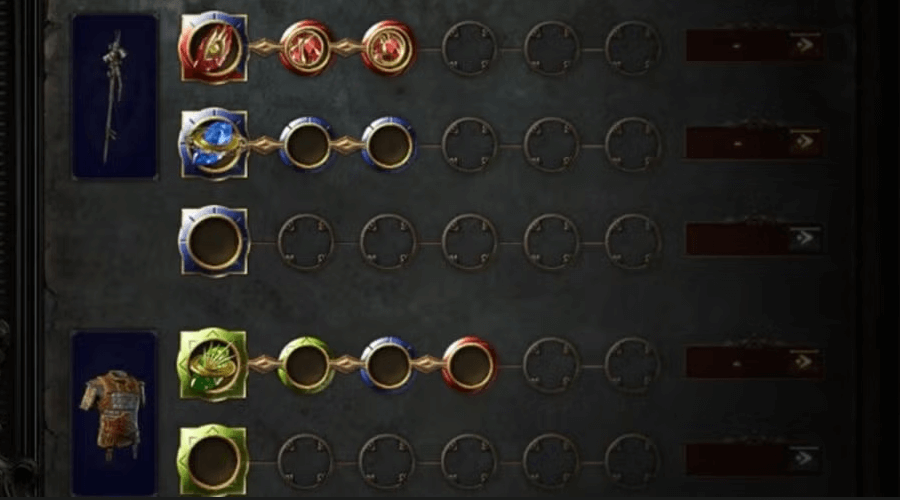
Skill gems are the cornerstone of character customization in Path of Exile 2. These gems, when socketed into your gear, grant powerful abilities and enhancements, allowing you to tailor your character’s playstyle to your preferences. Let’s delve into the different types of PoE 2 skill gems you’ll encounter:

Active Gems

These gems provide the primary abilities your character will use in combat. From devastating fireballs to swift sword strikes, active gems define your offensive and defensive capabilities. Each active gem has its own unique effects and can be further enhanced by support gems. o help you get started with active skill gems in Path of Exile 2, here are some popular examples across different categories:

1.Melee Attacks:

• Boneshatter: This skill delivers a powerful strike that causes bones to shatter, dealing additional damage over time.

• Earthquake: A ground slam that creates a fissure, dealing massive area-of-effect damage after a short delay.

2.Ranged Attacks:

• Lightning Arrow: Fires an arrow that converts physical damage to lightning damage, chaining to nearby enemies.

• Escape Shot: A quick shot that deals damage and allows you to reposition by dashing away.

3.Spells:

• Contagion: Spreads a damaging chaos effect to nearby enemies, causing them to take damage over time.

• Ball Lightning: Launches a slow-moving projectile that continuously zaps enemies with lightning damage.

4.Minion Skills:

• Raise Zombie: Summons zombies that attack enemies and absorb damage.

• Bind Spectre: Summons spectral versions of defeated enemies to fight for you.

Support Gems

These gems don’t grant abilities on their own but modify the effects of active gems. For example, a support gem might increase the damage of an active gem, add elemental effects, or reduce the mana cost. By combining active and support gems, you can create powerful synergies that enhance your combat effectiveness. Here are some popular examples:

1. Added Fire Damage Support:

• Effect: Adds extra fire damage to the supported skill’s attacks or spells.

• Example: When linked to a melee attack like Boneshatter, it adds fire damage to each hit, increasing overall damage output.

2. Increased Area of Effect Support:

• Effect: Expands the area of effect for the supported skill.

• Example: When linked to Earthquake, it increases the radius of the ground slam, allowing it to hit more enemies.

3.Faster Attacks Support:

• Effect: Increases the attack speed of the supported skill.

• Example: When linked to Lightning Arrow, it allows you to shoot arrows more quickly, enhancing your damage per second.

4.Spell Echo Support:

• Effect: Causes the supported spell to repeat an additional time.

• Example: When linked to Ball Lightning, it casts the spell twice in quick succession, doubling the number of projectiles.

5. Minion Damage Support:

• Effect: Increases the damage dealt by minions summoned by the supported skill.

• Example: When linked to Raise Zombie, it boosts the damage output of your summoned zombies, making them more effective in combat.

Buff Gems

Buff gems provide ongoing benefits to your character, such as increased attack speed, enhanced defenses, or regenerative effects. These gems are crucial for maintaining your character’s performance in prolonged battles and can be a game-changer in tough encounters. Here are some popular examples:

1. Anger:

• Effect: Grants additional fire damage to you and your allies.

• Use: Ideal for builds focusing on fire damage, enhancing both your attacks and spells with extra fire power.

2. Determination:

• Effect: Increases your armor, providing better physical damage mitigation.

• Use: Perfect for tanky builds that need to absorb more damage and survive longer in battles.

3. Haste:

• Effect: Increases movement speed, attack speed, and cast speed.

• Use: Great for builds that rely on speed and agility, allowing you to move and attack faster.

4. Vitality:

• Effect: Grants life regeneration to you and your allies.

• Use: Useful for sustaining health during prolonged fights, especially for builds that lack other forms of healing.

5. Wrath:

• Effect: Adds lightning damage to your attacks and spells.

• Use: Beneficial for lightning-based builds, boosting your overall damage output with additional lightning damage.

Meta Gems

Meta gems offer unique and complex effects that can significantly alter your gameplay. These gems often provide conditional bonuses or powerful passive effects that require strategic planning to maximize their potential. Mastering the use of meta gems can give you a significant edge in both PvE and PvP scenarios.

Here are some examples and their strategic uses:

1. Cast on Critical Strike:

• Effect: Triggers a linked spell when you land a critical hit with an attack.

• Strategic Use: Ideal for builds that focus on high critical strike chance. For example, linking this gem with a powerful spell like Ball Lightning can create devastating combos, dealing massive damage whenever you score a critical hit.

2. Cast when Damage Taken:

• Effect: Automatically casts a linked spell when you take a certain amount of damage.

• Strategic Use: Useful for defensive builds. Linking this gem with a protective spell like Molten Shell can provide an automatic shield when you take significant damage, enhancing your survivability.

3. Spell Totem Support:

• Effect: Summons a totem that casts the linked spell.

• Strategic Use: Great for builds that benefit from casting spells at a distance. For instance, linking this gem with Contagion allows the totem to spread chaos damage to enemies, keeping you safe while dealing consistent damage.

4. Multiple Traps:

• Effect: Throws multiple traps at once.

• Strategic Use: Perfect for trap-based builds. Linking this gem with a trap skill like Lightning Trap can increase your area control and damage output, making it easier to handle large groups of enemies.

5. Minion Instability:

• Effect: Causes your minions to explode when they reach low health, dealing fire damage to nearby enemies.

• Strategic Use: Effective for minion-based builds. Combining this gem with Raise Zombie can turn your minions into walking bombs, dealing significant damage to enemies when they die.

Also Read: Path of Exile 2 Beginner Guide

Obtaining and Leveling Skill Gems in Path of Exile 2

Skill gems are essential for customizing your character’s abilities in Path of Exile 2. Here’s how you can acquire and level them up:

How to Acquire PoE 2 Skill Gems

1. Uncut Gems: These are raw gems that can be found throughout the game world. Once you obtain an uncut gem, you can take it to a vendor or use a crafting bench to cut it into a usable skill gem.

2. Drops: Skill gems can also drop from enemies, chests, and other loot sources. Keep an eye out for these valuable items as you explore and defeat foes.

3. Crafting: You can craft skill gems using various in-game materials. This method allows you to create specific gems that suit your build, giving you more control over your character’s development.

Leveling Up PoE 2 Skill Gems

As you use skill gems, they gain experience and level up, becoming more powerful. Here are the key points to keep in mind:

• Experience Gain: Skill gems gain experience whenever you earn experience points from defeating enemies. The amount of experience required to level up increases with each level.

• Stat Requirements: Higher-level skill gems often have increased attribute requirements (e.g., Strength, Dexterity, Intelligence). Make sure your character meets these requirements to continue using the gem.

• Gem Quality: You can improve the quality of a skill gem using certain PoE 2 currency items, which enhances its effectiveness. For example, a higher-quality gem might deal more damage or have a longer duration.

Building Your Character with Skill Gems in Path of Exile 2

Creating a powerful character in Path of Exile 2 involves more than just picking the right skill gems; it’s about making sure they work well together to maximize your effectiveness in combat. Here are some tips for creating synergistic builds and combining different types of gems for optimal performance:

Tips for Creating Synergistic Builds

1. Understand Your Playstyle: Decide whether you prefer melee combat, ranged attacks, spellcasting, or summoning minions. This will guide your choice of active skill gems.

2. Match Support Gems to Active Skills: Choose support gems that enhance the strengths of your active skills. For example, if you use a skill that deals fire damage, support it with gems that add fire damage or increase its area of effect.

3. Balance Offense and Defense: Ensure your build has a good mix of offensive and defensive capabilities. Use support gems that boost your damage output and buff gems that enhance your survivability.

4. Consider Attribute Requirements: Make sure your character meets the attribute requirements for the skill gems you want to use. Plan your gear and passive skill tree accordingly.

5. Experiment and Adapt: Don’t be afraid to try different combinations of skill and support gems. Path of Exile 2 offers a lot of flexibility, so experiment to find what works best for your build.

Combining Different Types of Gems for Optimal Performance

1. Active and Support Gem Synergy: Combine active skill gems with support gems that enhance their effects. For example, linking Lightning Arrow with Added Lightning Damage Support and Increased Area of Effect Support can significantly boost its damage and coverage.

2. Buff Gems for Sustained Power: Use buff gems like Anger or Haste to provide continuous boosts to your damage and speed. These buffs can be crucial in maintaining high performance during extended fights.

3. Meta Gems for Strategic Advantage: Incorporate meta gems like Cast on Critical Strike or Spell Totem Support to add strategic depth to your build. These gems can trigger powerful effects under specific conditions, giving you an edge in combat.

4. Minion and Support Combinations: If you prefer a minion-based build, use support gems like Minion Damage Support to increase your minions’ effectiveness. Combine this with buff gems like Vitality to keep your minions healthy and fighting longer.

Conclusion

Mastering the new skill gems in Path of Exile 2 is key to creating a powerful and versatile character. By understanding the different types of skill gems—active, support, buff, and meta—you can tailor your abilities to suit your playstyle and optimize your performance in combat. Experimenting with various combinations and synergistic builds will help you discover the most effective strategies for your character. Whether you’re a seasoned player or new to the game, this guide provides the foundation you need to harness the full potential of skill gems and enhance your Path of Exile 2 experience. Happy adventuring!